Unexplained encounters with the unseen can leave deep emotional scars. For many, these events create a lingering sense of fear that disrupts daily life, much like the shadows of Post-Traumatic Stress Disorder. Imagine carrying an invisible weight that resurfaces unexpectedly—a sudden noise, a familiar scent, or even silence can trigger overwhelming dread.
Through my work blending clinical methods with spiritual practices, I’ve seen how such events fracture one’s sense of safety. The mind replays moments of terror, blurring the line between past and present. This isn’t just “stress”—it’s a profound disruption that demands compassionate, specialized care.
Too often, people dismiss these struggles or face shame when seeking help. But healing begins when we honor the reality of what you’ve endured. At Tierra del Sol, we merge ancient wisdom with modern therapies to address both psychological wounds and spiritual imbalances. Recovery isn’t about erasing memories—it’s about reclaiming your peace.
Key Takeaways
- Ghostly encounters can trigger PTSD-like symptoms, including hypervigilance and intrusive memories
- Validation of your experience is crucial for beginning the healing process
- Holistic recovery addresses both mental health and spiritual well-being
- Tailored support helps rebuild safety and trust in your environment
- Combining therapeutic techniques with energy work creates lasting transformation
- Fear diminishes when met with understanding and evidence-based strategies
The Reality of Paranormal Experiences Trauma
Facing the inexplicable can shake the foundations of our perceived safety. I’ve witnessed how events that defy logical explanation create fractures in mental well-being, leaving people questioning their environment and even their senses.
When Reality Shifts
Our brains interpret unusual phenomena through existing survival mechanisms. A sudden chill or flickering light might trigger the same fight-or-flight response as physical danger. This biological reaction leaves lasting marks:
| CPTSD Symptoms | Post-Encounter Effects | Shared Patterns |
|---|---|---|
| Nightmares | Sleep disturbances | Disrupted circadian rhythm |
| Hypervigilance | Constant environmental scanning | Exhaustion from sustained alertness |
| Emotional numbness | Detachment from daily life | Strained relationships |
“The body remembers what the mind tries to forget. Healing requires us to listen to both.”
Navigating the Aftermath
Clients often describe three core challenges after intense encounters:
- Reoccurring sensory triggers (sounds, temperatures)
- Difficulty trusting their instincts
- Physical fatigue from sustained stress responses
Traditional approaches frequently miss the spiritual component of these events. Through energy clearing paired with cognitive restructuring, we address the whole self. If shadows of fear still linger in your daily living, reach out – peace awaits.
Understanding the Connection Between Trauma and Haunted Houses
The creak of floorboards in an empty room often mirrors the echoes of unresolved pain. Many describe their trauma as feeling “haunted” – shadows of the past lingering in corners of their minds. This isn’t just poetic language. Neuroscience reveals how unprocessed memories imprint on our nervous system like fingerprints on dusty windowpanes.
When Walls Hold Memories
In my practice, I’ve seen how haunted houses symbolically reflect inner turmoil. Clients often describe:
- Feeling watched in safe spaces
- Unexplained temperature shifts mirroring emotional coldness
- Recurring nightmares about specific rooms
| Haunted House Features | Trauma Responses | Healing Solutions |
|---|---|---|
| Echoes of past events | Intrusive memories | Memory reprocessing |
| Stuck doors/windows | Emotional constriction | Energy clearing |
| Cold spots | Dissociation | Grounding techniques |
Breaking the Cycle of Ghosts
Just as ghosts return to unresolved locations, trauma patterns repeat until addressed. A client once shared: “I kept remodeling my home, but the anxiety stayed like old wallpaper.” Through shamanic journeying and EMDR therapy, we helped her rewrite those mental blueprints.
Your house should be a sanctuary, not a prison of the past. If you’re ready to quiet the whispers in your walls, I offer strategies that honor both science and spirit. Let’s restore your space – physical and emotional.
Coping Strategies for Overcoming Paranormal Fears
Healing from unseen encounters demands strategies that touch both mind and spirit. I’ve found lasting recovery happens when we address fear through both neurological rewiring and energetic realignment. Your journey matters – let’s explore ways to rebuild safety.
Holistic Healing Approaches and Expert Guidance
Our brains can literally reshape responses to triggers through focused work. One client transformed her nightly dread by:
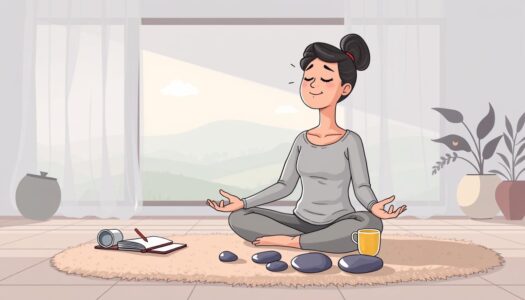
- Practicing grounding techniques during sunset walks in nature
- Creating a sanctuary room with cleansing rituals
- Using breathwork to interrupt panic cycles
This three-tier approach combines sensory regulation with spiritual protection. As your therapist, I blend cognitive behavioral methods with energy clearing to address what talk therapy alone might miss.
“Healing isn’t about denying what happened – it’s about changing how your nervous system remembers.”
Contacting Marysol for Personalized Support
The relationship between client and guide forms the bedrock of transformation. Through personalized sessions, we’ll:
- Identify specific triggers impacting your daily life
- Develop coping mechanisms tailored to your needs
- Restore trust in your environment through practical things
Recovery flows when science and spirit collaborate. If shadows still dim your light, reach out – together, we’ll craft a path back to peace.
Emotional and Physical Impacts of Paranormal Encounters
When reality bends in ways we can’t explain, our biology responds with ancient survival codes. I’ve witnessed how encounters with the unseen leave imprints that outlast the event itself – a biological echo chamber where body and brain struggle to reconcile what defies logic.
The Science of Survival Responses
During intense moments, the brain prioritizes immediate safety over understanding. This survival mechanism can misfire when faced with inexplicable phenomena. The aftermath often shows:
| Physical Reactions | Neurological Shifts | Recovery Focus |
|---|---|---|
| Muscle stiffness | Hyperactive amygdala | Somatic release |
| Digestive issues | Prefrontal cortex shutdown | Cognitive integration |
| Rapid heartbeat | Altered memory storage | Nervous system reset |
“The flesh keeps score long after the mind files the event as ‘unexplained’.”
One client’s body would freeze each night at 2:17 AM – the exact time they’d seen a ghost years prior. Their rational mind knew the danger had passed, but their nervous system remained on high alert for 742 consecutive days.
Through breathwork and energy realignment, we helped their brain update its threat assessment. Recovery isn’t about forgetting – it’s teaching your biology that safety exists now. If echoes of fear still shape your reactions, let’s rewrite that script together.
Drawing Insights from Literature and Popular Culture
Stories have always mirrored our deepest struggles, offering lenses to understand encounters that defy logic. Through decades of practice, I’ve seen how literary ghosts often symbolize unresolved pain – a truth my clients recognize in their own journeys.
Lessons from Classic Ghost Stories and Modern Narratives
Shakespeare’s Hamlet shows us how unaddressed wounds poison life. The prince’s fatherly specter demands attention to buried truths – much like the intrusive memories haunting trauma survivors today. Toni Morrison’s Beloved takes this further, making ghosts literal manifestations of historical anguish.
Modern horror narratives like The Haunting of Hill House blur reality and metaphor. As one character confesses: “I’ve lived with ghosts since childhood – guilt, secrets, regrets wearing spectral forms.” These stories reveal how early encounters shape our perception of safety in the world.
Interpreting Ghosts as Manifestations of PTSD
Literature gives us language for what clinical terms sometimes miss. When Hill House’s walls whisper warnings, they mirror the hypervigilance I see in clients. One survivor described her anxiety as “a phantom roommate” – always present, never fully seen.
“Ghosts are the mind’s way of marking what words can’t hold.”
These examples teach us that healing requires honoring both literal and symbolic truths. Like Prince Hamlet, we must confront what haunts us – not alone, but with guides who understand the terrain. If shadows from your past still disrupt your living, reach out. Together, we’ll rewrite your story with light.
You don’t need to face lingering fears alone. Contact Marysol to begin transforming literary wisdom into real-world healing.
Navigating Life After a Paranormal Encounter
Reclaiming your world after unsettling events requires courage and tailored support. I’ve walked this path with countless individuals who felt their lives fractured by what they couldn’t explain. Healing begins when we honor your unique story while rebuilding trust in your surroundings.
Reconstructing Foundations of Security
Simple moments – brewing morning coffee or hearing a friend’s laughter – become milestones in recovery. Through personalized strategies, we help you:
- Redesign home spaces to feel protective, not oppressive
- Transform triggering sounds into neutral background noise
- Reconnect with your body’s innate wisdom
One client described her breakthrough while gardening: “When I planted new flowers where fear once lived, the earth felt like an ally again.” This physical act of renewal mirrors the internal shifts we cultivate together.
Your life deserves more than survival mode. If shadows from the past still dim your present, reach out. At Tierra del Sol, we blend practical techniques with ancestral wisdom to help you rewrite tomorrow’s narrative – one grounded moment at a time.