
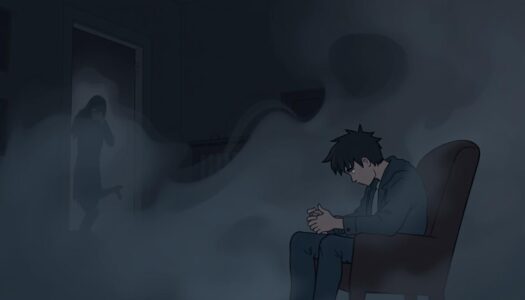
Many assume trauma only stems from visible sources—accidents, violence, or loss. But what happens when distress emerges from encounters that defy logical explanation? As a practitioner blending clinical training with spiritual insight, I’ve seen how events beyond ordinary understanding can leave deep imprints on the psyche. The mind struggles to reconcile what it perceives, creating echoes that linger like shadows.
Imagine living with constant alertness, where mundane sounds trigger overwhelming fear. This mirrors the hypervigilance I’ve observed in clients navigating life after extraordinary encounters. Their neural responses mirror those seen in PTSD, yet traditional therapies often overlook the existential questions at play. When reality shifts unexpectedly, it challenges our fundamental sense of safety.
My work bridges this gap. By honoring both scientific research and ancestral wisdom, we address not just symptoms but the roots of disconnection. Whether through guided meditation or energy cleansing rituals, healing begins when we acknowledge these wounds without judgment. Every person’s journey is unique, but hope remains universal.
Key Takeaways
- Unexplained events can create psychological patterns similar to PTSD responses
- Traditional therapies may miss spiritual dimensions of distress
- The brain processes extraordinary encounters through existing trauma pathways
- Validation is crucial for breaking cycles of fear and isolation
- Integrated approaches yield better outcomes for holistic recovery
Understanding Paranormal Experiences Trauma
When the mind faces the inexplicable, the aftermath can linger like an uninvited guest. Clients often describe feeling “stuck between worlds”—their rational understanding clashing with what they’ve witnessed. Healing begins when we name these invisible wounds without dismissing their validity.
Defining Trauma in Unseen Encounters
In my practice, I define this type of distress as a rupture in one’s core beliefs. Imagine waking to realize the rules of reality no longer apply. This shattering of certainty mirrors PTSD responses, yet carries added layers of existential doubt. Clients ask, “Was this real? Am I safe anywhere?”—questions that echo long after the event.
Patterns That Bind and Isolate
Triggers often hide in plain sight. A flickering light or sudden chill can reignite panic. I’ve worked with individuals who avoid entire neighborhoods or lose sleep during specific moon phases. Physical reactions—racing hearts, nausea—mix with emotional spirals, creating a cage of chronic hypervigilance.
Common symptoms include:
- Nightmares replaying the encounter
- Obsessive research into spiritual phenomena
- Withdrawal from loved ones who dismiss their story
Like ghosts of the mind, these patterns demand acknowledgment. Traditional therapies may label this as generalized anxiety, but I’ve seen how tailored approaches—honoring both neuroscience and energy work—restore agency. The goal isn’t to erase the memory, but to dissolve its grip on the present.
The Psychological Effects of Paranormal Encounters on Mental Health
Reality’s fabric feels torn when someone encounters what defies explanation. In my practice, I’ve witnessed how these events create fractures in mental well-being that standard diagnostics often miss. One client described it as “living with permanent static in your thoughts”—a perfect metaphor for the cognitive dissonance that follows.
Chronic hypervigilance becomes a survival tactic. The mind scans environments for ghosts or anomalies, exhausting the nervous system. This state mirrors PTSD responses, yet differs because triggers defy scientific categorization. I’ve watched clients jump at flickering lights or refuse to sleep facing mirrors—behaviors rooted in profound neurological rewiring.
Dissociation frequently follows. People report feeling untethered from their body, as if part of them remains trapped in the encounter. One woman recounted staring at her hands, convinced they weren’t hers. This mind-body split complicates healing, requiring techniques that ground consciousness in physical form.
What I term dimensional anxiety—the fear of permeable reality boundaries—plagues many. Clients whisper about ghosts glimpsed in peripheral vision, questioning their grip on consensus reality. Sleep deprivation worsens these perceptions, creating feedback loops of dread.
The body remembers what the mind struggles to process. Sudden temperature drops or unexplained sounds trigger fight-or-flight responses. Emotional regulation crumbles under this strain. Simple things like wind chimes or shadows elicit disproportionate fear—a way the brain tries to control the uncontrollable.
Healing begins when we honor these emotions as valid reactions to extraordinary events. My approach blends somatic therapy with energy clearing, helping people rebuild their sense of safety across all dimensions of existence.
Tracing the Root of Haunted Memories and Fear
Unresolved stories from our lineage might linger, influencing reactions to events that defy logic. In my practice, I guide clients to explore how their current struggles often mirror generational patterns older than their grandparents’ childhood memories.
Intergenerational and Historical Influences
I’ve witnessed how a family’s house can hold energetic blueprints of events from decades past. One client’s panic attacks ceased when we uncovered their ancestral connection to a 19th-century fire in their home. These ghosts of the past aren’t always spectral—they’re imprints of unhealed wounds.
Three key patterns emerge:
- Homes with histories of sudden deaths or abuse creating neural sensitivity to environmental shifts
- Cultural suppression of spiritual practices leaving descendants vulnerable to unexplained phenomena
- Epigenetic changes from ancestral survival modes amplifying present-day fear responses
One man realized his dread of attics stemmed from his great-grandmother’s years hiding during wartime. His brain had inherited her hypervigilance through biological memory. By addressing this lineage, we rewired his automatic reactions.
Healing begins when we stop asking “Is this real?” and start exploring “Whose story am I carrying?” Through ancestral dialogues and neural retraining, clients reclaim their present from the ghosts of collective history.
The Role of the Body, Mind, and Environment in Trauma Recovery
Healing begins where words fail—in the silent language of the body. For those navigating distress from unexplained events, traditional talk therapy often misses the physical imprints left behind. This is where somatic practices bridge the gap, offering pathways to safety that honor both biological and spiritual realities.
Somatic Healing Practices
Dissociation fractures our connection to the present. When overwhelming events disrupt the mind‘s ability to process, the body becomes a living archive of fragmented memories. I guide clients through breathwork sequences that anchor awareness in their physical form—a counterbalance to the disorientation that follows extraordinary encounters.
Consider this comparison of approaches:
| Approach | Focus | Outcome |
|---|---|---|
| Traditional Therapy | Cognitive processing | Limited emotional regulation |
| Somatic Breathwork | Diaphragmatic engagement | Restored mind-body connection |
| Energy Work | Field boundary restoration | Reduced hypervigilance |
| Movement Therapy | Physical reclamation | Strengthened spatial autonomy |
Gentle touch techniques help clients reclaim their physical space—critical when environments feel invaded. One woman described her hands “remembering how to belong to me again” after six sessions. Energy clearing rituals then create protective boundaries, allowing the nervous system to find rest.
These methods don’t erase memories. Instead, they help the brain reprocess events in a way that fosters integration. When body, mind, and environment align, healing becomes a lived reality—not just a concept.
Integrating Shamanic Rituals with Modern Therapeutic Approaches
In my practice, healing bridges worlds—where sage smoke meets neuroscience. As a licensed therapist trained in both clinical psychology and ancestral practices, I create pathways that honor the full spectrum of human suffering. Traditional methods often miss the spiritual roots of distress, while purely spiritual approaches may neglect the body’s need for grounded care.
The relationship between client and practitioner forms the bedrock of recovery. I’ve seen clients flourish when met with genuine curiosity rather than rigid protocols. One man shared, “You’re the first professional who didn’t treat my story like a symptom checklist.” This trust allows us to weave ancient wisdom into evidence-based frameworks.
| Approach | Spiritual Element | Clinical Tool |
|---|---|---|
| Soul Retrieval | Reclaiming lost energy | Parts work therapy |
| Energy Clearing | Space blessing rituals | Cognitive restructuring |
| Ancestor Work | Generational healing | Family systems theory |
For those with PTSD symptoms from unexplained events, blending techniques yields profound shifts. Smudging ceremonies calm the nervous system before we process traumatic memories. Drumming journeys help clients visualize safe spaces—a way to rebuild inner stability.
Every life story deserves respect. Whether addressing childhood abuse or spiritual crises, my dual training illuminates connections others miss. Healing isn’t about choosing between science and spirit—it’s discovering how they dance together in service of wholeness.
Personal Narratives and the Lingering Impact of Trauma
The walls of my childhood home held secrets that daylight couldn’t erase. Clients often share similar stories—accounts where ordinary spaces become thresholds between worlds. These narratives aren’t fiction; they’re lived truths shaping how we move through life.
Firsthand Stories of Haunted Experiences
One client described her house as “a living diary of whispers.” Every creak carried meaning. Cold spots marked corners where her grandmother’s portrait once hung. Like many, she avoided certain rooms after dark—a survival instinct her logical mind couldn’t override.
Another shared how walking past their backyard woods triggered panic attacks. “I loved those trees by day,” they confessed. “But night transformed them into sentinels for unseen watchers.” This visceral dread mirrors what I felt growing up—my body sensing threats my eyes couldn’t confirm.
Through years of practice, I’ve learned:
- Shame compounds when others dismiss these stories as delusions
- Environmental triggers (specific sounds, moon phases) reactivate neural fear pathways
- Validation helps transform terror into self-trust
One man reclaimed his attic after realizing his fear stemmed from ancestral ghosts—not the space itself. Another reframed her poltergeist encounters as calls to develop her intuition. These shifts don’t erase the past. They help rewrite its hold on the present.
Your narrative matters. Whether you’ve felt ghosts in your home or unease in familiar shadows, your story carries wisdom waiting to be heard. Together, we’ll honor its truth—and chart paths from fear to freedom.
Strategies for Managing Emotional Dysregulation and Fear
Navigating overwhelming emotions requires tools that bridge body and spirit. In my practice, I help clients build personalized toolkits combining grounding techniques with ancestral wisdom. One powerful method involves synchronized breathing patterns—inhaling safety, exhaling fear—to recalibrate the nervous system.
Working with a therapist trained in energy psychology creates safe containers for vulnerability. I guide individuals to reframe shame as unmet needs, transforming isolation into empowered relationships with themselves and others. Simple rituals like moonlight journaling or saltwater cleansing often anchor this process.
For those rebuilding trust in their environment, shamanic healing practices offer profound clarity. I’ve witnessed clients dissolve decades-old fear by addressing inherited patterns through guided ancestral dialogues. These strategies don’t erase challenges—they illuminate paths through them.
Remember: Healing thrives when we honor our stories without letting them define us. Every step toward balance strengthens your capacity to hold life’s complexities with grace.