
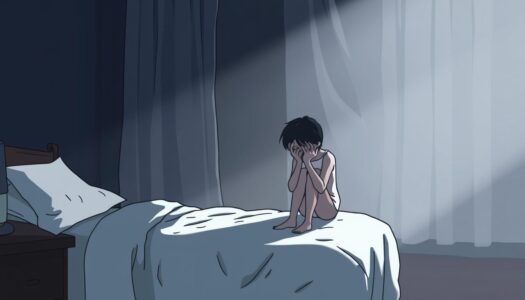
When reality shifts in ways we can’t explain, it leaves deep emotional imprints. Through my work bridging shamanic traditions with modern therapy, I’ve seen how encounters with the unexplained create responses similar to other forms of psychological distress. The human nervous system reacts intensely to perceived threats – whether physical or beyond our typical understanding.
Many clients arrive feeling isolated, their concerns dismissed by friends or conventional practitioners. This isolation often compounds the initial distress, creating cycles of anxiety that affect sleep, relationships, and daily functioning. What begins as a single event can ripple through every aspect of life.
I’ve developed methods that honor both scientific understanding and spiritual wisdom. By addressing energetic imbalances alongside cognitive patterns, we restore equilibrium at multiple levels. Recovery becomes possible when we validate these experiences while rebuilding personal resilience.
Key Takeaways
- Unexplained events activate the body’s survival instincts similarly to physical threats
- Social stigma often prevents people from seeking support
- Holistic healing addresses both psychological and energetic impacts
- Sleep disturbances and relationship strain are common secondary effects
- Validation forms the foundation of effective recovery strategies
Understanding the Link Between Paranormal Encounters and Emotional Trauma
The unseen world’s impact on mental health is more profound than many realize. Through my practice, I’ve witnessed how encounters with unexplained phenomena create lasting emotional challenges. These events activate primal fear responses, mirroring reactions to physical threats.
Overview of Paranormal Experiences
Many clients describe locations where intense emotions linger—places where joy or horror once dominated. In these charged spaces, the body reacts as if danger persists. A creaking floorboard becomes a pounding heartbeat. Shadows morph into looming figures.
| PTSD Symptoms | Paranormal-Induced Stress |
|---|---|
| Flashbacks | Repeating memories of encounters |
| Hypervigilance | Constant scanning for unusual activity |
| Avoidance | Steering clear of specific locations |
| Sleep Issues | Fear of nighttime manifestations |
How Emotional Trauma Manifests in Haunted Settings
I’ve worked with individuals who developed phobias of attics after hearing ghostly footsteps above them. Their brains linked the sound to imminent danger, despite rational explanations. This creates a double bind—logical minds clash with primal instincts.
What makes recovery complex? Many conventional therapies dismiss these accounts. Validation remains crucial. When we honor both scientific and spiritual perspectives, healing becomes possible—even in the most unsettling circumstances.
Psychological Impacts: From Haunting Memories to PTSD
The mind’s response to inexplicable events often follows patterns we see in combat veterans. I’ve sat with clients who jump at flickering lights or panic when rooms grow cold. Their body remembers what their conscious mind struggles to process.
Recognizing Symptoms and Emotional Flashbacks
Hypervigilance becomes a survival strategy. One client redesigned her entire home to avoid shadows that reminded her of a childhood encounter. Another couldn’t sleep unless every closet light stayed on. These adaptations strain relationships and drain energy reserves.
Flashbacks don’t always come as vivid images. Many report sudden chills or waves of dread in ordinary settings. A bakery’s scent might trigger memories of a grandparent’s haunted kitchen. The brain latches onto sensory fragments, replaying danger signals.
The Role of Triggers in Post-Traumatic Stress
Triggers hide in plain sight. I worked with a firefighter who developed panic attacks near antique mirrors after witnessing unexplained reflections. His logical mind knew glass couldn’t harm him. His nervous system disagreed.
Consider this comparison:
| Common PTSD Triggers | Supernatural-Linked Triggers |
|---|---|
| Loud noises | Electrical hums |
| Closed spaces | Specific room layouts |
| Certain smells | Sudden temperature drops |
Living with this disorder means navigating a world filled with invisible tripwires. Healing begins when we map these triggers without judgment. Only then can we rewire the body’s alarm system.
Paranormal Experiences Trauma: Triggers, Symptoms, and Impact
Trauma and apparitions share a common thread: the inability to find closure. Through my practice, I’ve witnessed how both linger like unwelcome guests, demanding attention through subtle signs and sudden disruptions.
Comparing Unresolved Traumas to Haunting Experiences
Traditional ghost stories often describe spirits bound to locations due to unmet needs. Similarly, emotional wounds persist when core needs for safety or understanding go unaddressed. The body remembers these fractures long after events pass.
Consider this comparison from client cases:
| Unhealed Trauma | Ghost Lore Patterns |
|---|---|
| Recurring nightmares | Repeating spectral appearances |
| Muscle tension in specific areas | Cold spots in particular rooms |
| Avoiding trauma reminders | Abandoned “haunted” houses |
Clients who’ve lived in active locations often report sensations following them for years. One woman described feeling watched in every home she occupied since childhood. Her nervous system remained on high alert, mirroring her first encounter.
Healing requires addressing both psychological imprints and environmental triggers. By acknowledging these parallels, we create pathways to release what no longer serves. The journey transforms lingering echoes into lessons learned.
Trend Analysis: Current Perspectives on Ghosts and Mental Health
Modern society’s relationship with the supernatural reveals fascinating patterns in how we process fear. I’ve watched clients reinterpret ordinary moments through lenses shaped by unseen forces. A storm isn’t just weather—it becomes a symphony of triggers for those carrying invisible burdens.
Cultural Interpretations and Social Phenomena
Communities with ancestral traditions for spirit communication often handle these events with less distress. In my work with Indigenous healers, I’ve seen rituals that transform fear into dialogue. This contrasts sharply with Western approaches that historically labeled such accounts as delusions.
Reality TV’s ghost-hunting craze created unexpected consequences. While raising awareness, it sometimes turns personal anguish into public spectacle. One client described feeling like “entertainment” after investigators filmed her home without addressing her panic attacks.
Recent Research on Haunted Environments and Mental Health
Cutting-edge studies now examine how old buildings affect mental states. Researchers found that infrasound—frequencies below human hearing—can induce dread in 24% of subjects. Our bodies react to environmental factors we don’t consciously perceive.
Consider these findings from 2023 studies:
| Environmental Factor | Psychological Impact |
|---|---|
| Low-frequency vibrations | Increased anxiety reports |
| Uneven lighting | Shadow misinterpretation |
| High EMF levels | Sleep disruption |
The horror genre’s evolving portrayal of trauma mirrors this shift. Films now show characters with realistic stress responses instead of caricatured fear. This normalization helps people articulate their own stories without shame.
Insights from Real Life: Expert Opinions and Narrative Case Studies
Case studies from therapy practice illuminate unexpected patterns in how people adapt to extraordinary circumstances. Through my work, I’ve seen how individuals develop unique survival strategies that reveal our innate capacity for resilience.
Therapist and Author Perspectives on Trauma
One client’s childhood home contained hidden rooms where whispers echoed through heating vents. “I learned to sleep with music playing,” she shared. “The silence felt dangerous.” Her story mirrors others I’ve heard over the years – people creating personalized safety rituals when traditional solutions fail.
A family in a historic Victorian property demonstrated how stress manifests differently. The father installed security cameras in every corner, while the mother lit candles at specific times. Their children avoided the third-floor hallway entirely. This division of coping mechanisms shows how shared environments create individual survival blueprints.
Case Examples from Haunted House Experiences
Long-term exposure to unusual environments often sharpens intuition. Many clients describe heightened awareness of energy shifts – a skill developed through necessity. One man could predict electrical surges in his 19th-century farmhouse weeks before storms arrived.
Consider these therapeutic findings:
- Early exposure to unexplained events builds adaptive thinking patterns
- Personal belief systems shape coping strategies more than event severity
- Environmental familiarity reduces distress, even in active locations
Colleagues now integrate spiritual hygiene practices with cognitive restructuring. One therapist combines sage cleansing with grounding exercises, reporting faster progress than traditional methods alone. Hybrid approaches honor both the physical and energetic aspects of healing.
Healing Journeys: Recovering from Paranormal-Induced Trauma
Transforming fear into empowerment begins with recognizing your innate resilience. I’ve guided countless individuals through this process, witnessing remarkable shifts when we honor both mind and spirit.
Initiating Recovery with Expert Guidance
Your body remembers what logic struggles to explain. In our sessions, we decode physical reactions while rebuilding trust in your environment. One client described relief after learning her chills signaled sensitivity, not danger—a breakthrough that changed her relationship with old fears.
Effective Strategies for Overcoming Ghost Encounters
Practical tools create stability. Try these approaches:
- Grounding techniques during heightened states (focus on breath or tactile objects)
- Redesigning spaces to disrupt energy patterns (lighting adjustments, scent diffusion)
- Scheduled rest periods to prevent nervous system overload
The therapist-client bond becomes sacred ground for healing. I combine energy clearing with cognitive reframing, addressing layered impacts of prolonged stress. Many discover newfound intuition—a way to transform vulnerability into strength.
You’ve already shown courage by seeking answers. Let’s channel that bravery into lasting change. Reach out to begin rewriting your story.