
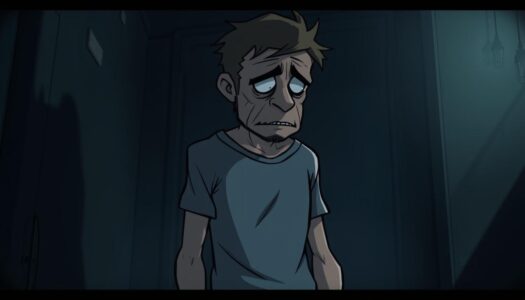
When unexplained events shake your sense of reality, confusion and fear often follow. Many feel isolated, wondering if their reactions mean they’re “losing it.” I’ve seen firsthand how encounters beyond typical understanding can leave deep emotional wounds resembling post-traumatic stress.
Through my work blending shamanic traditions with clinical therapies, I’ve helped countless individuals process these challenges. The mind-body connection reacts intensely to what it can’t explain, creating symptoms like hypervigilance or flashbacks. Conventional approaches often miss the spiritual layer, leaving gaps in healing.
You’re not imagining things. Research shows extraordinary events activate the same neural pathways as physical threats. My approach bridges science and spirituality, offering tools to rebuild safety while honoring your unique journey.
Key Takeaways
- Unexplained events can trigger PTSD-like symptoms requiring specialized care
- Combining spiritual wisdom with trauma therapy enhances recovery outcomes
- Your reactions reflect natural survival instincts, not weakness
- Holistic methods address both psychological and energetic impacts
- Healing often leads to renewed personal strength and clarity
Understanding the Link Between Paranormal Experiences and PTSD
Encounters that defy explanation can leave scars deeper than visible wounds. Through my practice, I’ve witnessed how these situations activate primal survival mechanisms. The brain doesn’t distinguish between physical danger and existential threats – both create neural imprints that reshape how we perceive safety.
The Nature of Trauma and Fear
Our nervous system responds to overwhelming events by creating protective patterns. When faced with phenomena that challenge logical understanding, the amygdala sounds alarms even when conscious thought says “this shouldn’t be possible.” Clients often describe this as knowing danger exists but being unable to define it – like hearing footsteps in an empty house.
How Everyday Moments Turn Into Alarms
Recovery becomes complex when ordinary stimuli become warning signs. A flickering lightbulb or sudden chill might seem harmless, but for those healing from intense events, these sensations can:
| Trigger Type | Common Examples | Physical Response |
|---|---|---|
| Environmental | Shifting shadows | Rapid heartbeat |
| Sensory | Specific sounds | Shortness of breath |
| Situational | Low lighting | Muscle tension |
Healing begins when we recognize these reactions as the body’s attempt to protect itself. My approach combines grounding techniques with narrative restructuring, helping clients rewrite their relationship with these sensory cues.
Examining paranormal experiences trauma and Its Effects
When the familiar becomes frightening, the world shifts in unsettling ways. I’ve guided clients through this disorienting landscape where everyday sounds morph into proof of unseen forces. A client once described hearing floorboards creak above their bedroom—knowing the attic stood empty. “It wasn’t the noise,” they shared. “It was the certainty something listened back.”
Ghostly encounters often leave individuals wrestling with two battles: their environment and their own mind. Unlike typical stressors, these events challenge our basic understanding of reality. One survivor told me, “I keep asking—am I remembering this right? Or did I invent it to feel less alone?” This self-doubt erodes trust in one’s perceptions, creating fractures in mental stability.
“Healing begins when we stop debating what’s ‘real’ and start addressing what’s true for the person living it.”
Common triggers extend beyond specific events. Through my practice, I’ve identified patterns linking sensory cues to heightened anxiety:
| Trigger | Physical Response | Mental Effect |
|---|---|---|
| Unexplained noises | Adrenaline surge | Reality questioning |
| Sudden temperature drops | Goosebumps | Hypervigilance |
| Feeling watched | Shortness of breath | Social withdrawal |
The isolation cuts deepest. Many fear sharing their stories, convinced others will dismiss their pain as fantasy. Yet trauma lives in the body regardless of external validation. My approach blends grounding exercises with energy clearing—honoring both the psychological and spiritual layers of recovery.
The Psychological and Emotional Impact of Trauma
Your physical form remembers what your conscious mind struggles to process. In my practice, I’ve witnessed how intense events create a rift between perception and sensation—the mind races to explain, while the body becomes a living archive of unprocessed moments.
Physical Responses and the Body’s Battlefield
Dissociation isn’t weakness—it’s your nervous system’s emergency protocol. When faced with overwhelming stimuli, the body might react with sudden chills, unexplained pressure, or electrical-like tingling. These sensations often linger long after the triggering event, creating a biological feedback loop.
Clients frequently describe feeling like spectators in their own lives. “I’d watch my hands move,” one shared, “but couldn’t connect them to my thoughts.” This disconnect manifests physically through chronic fatigue, digestive disruptions, or heightened sensitivity to environmental shifts.
Recognizing PTSD Symptoms in Daily Life
Your morning coffee ritual might suddenly trigger shortness of breath. A familiar song could spark muscle tension. These reactions aren’t random—they’re your body’s intelligent alarm system misfiring as it tries to protect you.
Common patterns I observe include:
- Nightmares replaying fragmented sensory details
- Compulsive checking behaviors (locked doors, switched-off lights)
- Emotional outbursts disproportionate to current situations
Healing begins when we stop judging these symptoms as flaws. Instead, see them as coded messages from a system fighting to rebuild safety. By addressing both biological responses and spiritual disconnection, true integration becomes possible.
Real-Life Encounters and Ghostly Phenomena
The house I grew up in whispered secrets through its floorboards. Creaks echoed like phantom footsteps in empty halls, while cold spots clung to corners like uninvited guests. Behind our home stretched woods I adored by daylight but feared at dusk—a primal certainty told me darkness transformed those trees into something alive and watching.
Personal Narratives and Haunted Memories
Through my practice, I’ve heard hundreds of accounts mirroring my childhood home’s energy. One client described nightly whispers in her Victorian house’s walls—voices mapping every family argument. Another recalled seeing shadow figures pacing his barn loft, their forms dissolving when approached. These stories share uncanny patterns:
- Sudden temperature plunges in specific rooms
- Footsteps syncing with residents’ heartbeats
- Persistent dread near wooded areas or antique structures
“The memory isn’t like regular fear,” shared a man who witnessed apparitions in his grandfather’s farmhouse. “It replays in full color—the chill, the pressure in my chest—like I’m there again.” This hyper-vivid recall often leads to environmental avoidance. Clients report steering clear of parks, historic districts, or even dimly lit hallways.
“Validating someone’s reality doesn’t require proving ghosts exist—it demands acknowledging their lived truth.”
Unlike horror films, these encounters leave invisible scars. I’ve seen grown adults freeze at sunset’s first shadows or compulsively check closets nightly. Healing begins when we honor these reactions as survival strategies, not irrational quirks. By reframing memories through somatic therapy and space-clearing rituals, clients reclaim their environments—one room, one woodshed, one moonlit path at a time.
Navigating Therapeutic Approaches for Trauma Recovery
The foundation of true healing lies in connection—not just techniques. After decades guiding clients through unconventional challenges, I’ve learned trust between therapist and client determines outcomes more than any method. Your ability to share vulnerable truths without judgment becomes the bridge from survival to renewal.
Finding the Right Therapist and Support
Seeking help requires courage, especially when your story defies mainstream narratives. I advise looking for professionals who blend clinical expertise with spiritual literacy. A skilled therapist should:
- Validate your reality without demanding “proof”
- Understand energy shifts and somatic responses
- Respect protective rituals as coping mechanisms
| Approach Type | Key Focus | Benefits |
|---|---|---|
| Trauma-Informed Therapy | Nervous system regulation | Reduces flashbacks |
| Spiritual Integration | Energetic boundaries | Restores safety |
| Somatic Practices | Body awareness | Grounds emotions |
Embracing Self-Care and Spiritual Practices
Healing extends beyond therapy sessions. Morning meditation and evening salt baths became my client Mara’s anchors. “Those ten minutes of stillness,” she shared, “taught me I could contain the chaos.”
Consider these daily rituals:
- Grounding techniques: Barefoot walks, tree hugging
- Energy clearing: Sage smudging, sound baths
- Protection rituals: Visualizing light shields
Your path won’t mirror anyone else’s. What matters is building a personalized toolkit that honors both your biology and spirit. When clinical strategies dance with ancestral wisdom, fragmented pieces gradually weave into wholeness.
Strategies to Heal from Unresolved Trauma
Your mind holds an extraordinary capacity for renewal. Through my work with clients, I’ve witnessed how intentional practices reshape thought patterns and biological responses. The latest neuroscience reveals our gray matter adapts throughout life – not just during childhood.
Developing New Neural Pathways
Neuroplasticity research excites me because it proves change lives in our biology. One client transformed her reactions to triggers using a simple mantra: “Fire together, wire together.” By pairing calming activities with previously stressful situations, she rebuilt her brain’s threat detection system.
| Grounding Technique | Frequency | Brain Benefit |
|---|---|---|
| Deep Breathing | Daily | Calms amygdala response |
| Nature Walks | 3x/week | Boosts prefrontal cortex activity |
| Gratitude Journaling | Nightly | Strengthens positive neural networks |
Daily Practices for Emotional Resilience
Consistency matters more than intensity. Start with 90-second mindfulness breaks – notice three sounds around you. These micro-moments teach your nervous system that safety exists here and now.
One man in my practice carried childhood fears into adulthood. His breakthrough came through morning light visualization: imagining sunlight filling his body while humming low tones. Within eight weeks, his sleep improved dramatically.
“Healing isn’t about forgetting – it’s creating new memories that outshine the old shadows.”
Your life becomes the canvas for transformation. Whether through art therapy or forest bathing, find what makes your spirit feel held. The brain follows where attention flows – direct yours toward nourishment.
Intergenerational Trauma and Its Haunting Legacy
History leaves fingerprints deeper than memory. Through my practice, I’ve seen how unresolved pain moves through family lines like whispered secrets. Toni Morrison’s Beloved masterfully illustrates this through 124 – a house choking on century-old anguish. The novel’s opening line isn’t fiction – it’s a mirror reflecting how unprocessed grief lingers in walls and bloodlines.
When Stories Become Living Truths
Ghost stories often reveal more about human psychology than specters. Morrison’s work shows how ancestral suffering manifests physically – cold spots in rooms, shadows mimicking lost loved ones. These metaphors resonate because many clients describe similar phenomena tied to their family history.
I’ve worked with multiple generations carrying energetic blueprints of events from 150 years prior. One woman’s panic attacks ceased only after we addressed her great-grandmother’s undocumented journey across the Atlantic. Like 124’s haunting, her symptoms weren’t imaginary – they were echoes.
Buildings absorb energy like sponges. A Victorian home I cleared held residual fear from its 1920s inhabitants. Current residents reported ghostly sobs in empty bedrooms until we blended smudging rituals with trauma-focused therapy. Healing requires honoring both the seen and unseen.
Your lineage needn’t define you. By confronting inherited trauma, we transform ancestral burdens into wisdom. As Morrison teaches – some wounds demand voice before releasing their grip.