
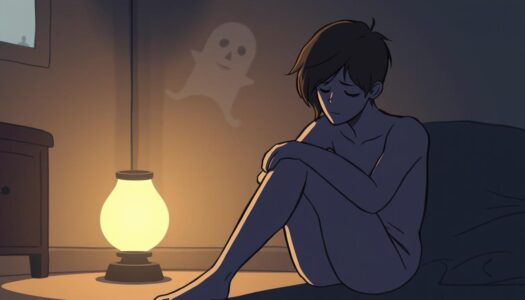
Imagine waking up every day feeling like the world around you has shifted. For those who’ve faced unsettling supernatural events, this isn’t a metaphor—it’s reality. The aftermath can leave invisible scars that disrupt relationships, sleep, and even your sense of safety. I’ve seen firsthand how these challenges mirror PTSD symptoms, where ordinary moments suddenly feel threatening.
Post-Traumatic Stress Disorder is often linked to combat or accidents, but few discuss how unexplained phenomena can create similar wounds. Triggers might include sounds, places, or even thoughts tied to the event. The mind replays details like a broken record, blurring the line between memory and present danger.
In my practice, I blend clinical strategies with ancestral wisdom to address both body and spirit. This dual approach helps clients rebuild trust in their environment while honoring their unique journey. Healing isn’t about erasing the past—it’s about reclaiming control over your narrative.
If you’re struggling, know this: your reactions make sense. Fear and confusion are natural responses to the extraordinary. With guidance from Marysol, a specialist in holistic recovery, many find pathways to peace. Her methods bridge modern therapy and spiritual insight, offering tools tailored to these complex situations.
Key Takeaways
- Unresolved supernatural events can trigger PTSD-like symptoms
- Emotional responses to unusual phenomena are valid and common
- Combining psychological and spiritual practices enhances healing
- Specialized support helps rebuild safety and clarity
- Recovery focuses on empowerment rather than erasing memories
Understanding the Impact of Paranormal Experiences
There’s a quiet terror in doubting your own senses after encountering the inexplicable. Unlike typical trauma sources, these situations fracture our basic trust in how the world operates. When logic fails to explain what you’ve witnessed, the mind becomes both detective and prisoner—searching for answers while replaying unsettling details.
When Ordinary Moments Become Landmines
I’ve worked with clients who jump at flickering lights or dread empty rooms. One shared, “Hearing floorboards creak at night sends me back to that moment—my body reacts before I can think.” These fear responses aren’t irrational. They’re survival mechanisms misfiring in environments that feel threatening long after the event.
The Battle for Mental Ground
What makes these emotions so corrosive is the isolation they create. Friends might say, “It was just your imagination,” but your nervous system knows better. This disconnect between personal reality and others’ skepticism can deepen anxiety. In my sessions, we focus on rebuilding safety through grounding techniques—like breathwork paired with energy clearing rituals.
“Validating someone’s truth doesn’t require proving ghosts exist. It requires honoring how their nervous system remembers.”
The Connection Between Trauma and Haunted Experiences
The walls of a house can hold more than memories—sometimes, they hold the weight of unhealed wounds. I’ve witnessed how both ghost lore and trauma share a core truth: unresolved energy demands attention. Stories about spirits lingering in a house mirror how past pain replays in our nervous systems, creating invisible patterns that shape daily life.
Clients often describe feeling “stuck” after encounters with the unexplained, as if part of them remains frozen in time. One shared, “It’s like my mind keeps walking through that hallway, searching for answers that never come.” This parallels PTSD symptoms where fragmented memories loop without resolution. The key difference? Haunted events layer spiritual disorientation atop psychological distress.
In my practice, I help people recognize these patterns as ghosts of another kind—energetic echoes asking for integration. Whether working with a client’s childhood home or recent supernatural event, the approach remains similar:
- Acknowledge the reality of their lived experience
- Identify triggers tied to specific places or sensory details
- Create rituals to release stagnant energy
As Marysol often reminds clients:
“Your house isn’t haunted—your nervous system is. Healing begins when we address both.”
By blending cognitive-behavioral techniques with energy clearing, we transform spaces (physical and mental) into sanctuaries of safety. This dual focus helps dissolve thepast’s grip while rebuilding trust in the present moment.
Paranormal Experiences Trauma: When the Past Doesn’t Stay Past
Time bends differently when unresolved events haunt your present. Most people file difficult memories as closed chapters—the fear fades, leaving only echoes. But for those grappling with PTSD from extraordinary encounters, the past remains a visceral reality.
Interplay of Memory, Fear, and Unresolved Pain
I’ve sat with clients who describe their supernatural encounters as happening “five minutes ago and fifty years ago simultaneously.” Unlike ordinary recollections, these memories resist fading. The mind replays them in full sensory detail—sounds, temperatures, even smells feel immediate.
One client confessed, “I keep checking corners in my apartment, though I moved years ago.” This isn’t irrational behavior. When reality’s rules fracture during an event, the nervous system stops trusting time’s healing power. Logic can’t convince your body that shadows won’t move again.
“We don’t heal by convincing survivors they’re safe. We heal by making their nervous systems believe it.”
Traditional PTSD approaches often stumble here. Why? These events challenge what we consider possible. My sessions blend cognitive restructuring with energy work—clearing residual imprints while rebuilding trust in the present moment.
Healing begins when we honor both the psychological weight and the spiritual disorientation. Your mind isn’t broken—it’s adapting to something beyond ordinary understanding. Together, we create new anchors to steady you in now.
Exploring Emotional and Physical Manifestations of Trauma
The human body speaks when words fail. After extraordinary events, physical sensations often become messengers carrying fragments of unprocessed reality. I’ve witnessed how dissociation—the mind’s inability to reconcile overwhelming moments—manifests as bodily echoes that demand attention.
Physical Sensations and the Body’s Response
Your body might react before your thoughts catch up. Clients report chills crawling up their spine in warm rooms or sudden pressure on their chest without cause. These aren’t imagined—they’re somatic imprints of moments that defied logic. One person described, “My hands tingle whenever I enter spaces that feel energetically charged, like my skin remembers what my mind can’t explain.”
Sleep becomes a battleground for many. The veil between wakefulness and dreams thins, with vivid replays of events surfacing as both memory and sensation. Traditional approaches often miss these layered symptoms because they ignore the spiritual disruption nested within physical reactions.
Emotional Flashbacks and Lingering Shadows
Emotions don’t always arrive with clear labels. You might feel inexplicable dread in familiar settings or anger that flares without context. These are not flaws—they’re evidence of your nervous system trying to piece together a puzzle that transcends ordinary understanding.
| Symptom Type | Common Manifestations | Holistic Response |
|---|---|---|
| Physical | Tingling, temperature shifts, muscle tension | Somatic therapy + energy clearing |
| Emotional | Sudden dread, fragmented memories | Grounding rituals + cognitive reframing |
As Marysol at Tierra del Sol teaches:
“Your cells hold stories your mind can’t tell. Healing begins when we listen to both.”
Recovery isn’t about silencing these signals but learning their language. By blending breathwork with ancestral cleansing practices, we honor the full spectrum of your experience—physical, emotional, and spiritual.
Narratives That Weave Ghost Stories with PTSD
Stories have long been vessels for truths too complex to articulate plainly. In my work with clients, I’ve found literary ghost stories often resonate because they frame psychological wounds through metaphors the soul understands. Take Toni Morrison’s Beloved—a novel where the titular spirit embodies generations of enslaved ancestors’ unresolved anguish. As Morrison writes: “Definitions belong to the definers, not the defined.”
Shirley Jackson’s The Haunting of Hill House reveals another layer. Characters don’t merely encounter ghosts—they confront dissociated fragments of their own minds. Eleanor’s descent into “madness” mirrors how PTSD survivors describe feeling split between reality and haunting memories. One client once told me, “Reading Hill House felt like someone finally named the storm inside me.”
“Great horror isn’t about monsters under beds. It’s about the shadows we carry from beds we’ve left behind.”
These stories matter because they:
- Validate emotional truths logic can’t contain
- Frame dissociation as protective, not pathological
- Offer language for unspeakable experiences
When clients see their struggles reflected in respected books, shame transforms into recognition. A survivor of childhood trauma recently shared how Beloved helped her reframe nightmares as “ancestors knocking”—invitations to heal rather than threats. This shift embodies what Jackson meant: “Fear is the relinquishment of logic, the willing relinquishing of reasonable patterns.”
Modern horror often misses this depth, but the classics endure because they map the terrain where PTSD and spirituality intersect. Your mind isn’t broken—it’s writing its own survival story in a language older than words.
Memory, Dissociation, and Healing: Bridging Past and Present
Time fractures differently when your mind encounters the unbearable. In my practice, I’ve learned that dissociation isn’t failure—it’s the psyche’s brilliant pause button. When overwhelming events shatter our sense of reality, the body and mind may temporarily disconnect to protect us from emotional overload.
Dissociation as a Coping Mechanism
Clients often describe feeling like observers of their own lives after intense events. “It’s like watching a movie where I’m both the main character and someone in the back row,” one shared. This split allows daily functioning while containing unprocessed material—a survival strategy coded into our biology.
Healing begins by honoring this protective mechanism while gently inviting fragmented parts to reunite. Through somatic exercises and narrative therapy, we help the body feel safe enough to release stored memories. As Marysol explains:
“Your nervous system needs proof that now isn’t then. We rebuild that trust through rhythm—breath, movement, and ritual.”
Key steps in this way forward include:
- Recognizing dissociation as intelligent self-preservation
- Mapping triggers tied to specific senses or locations
- Using grounding techniques to anchor in the present
Many discover that time regains its linear flow as integration progresses. What once felt like a shattered mirror becomes a mosaic—pieces rearranged into new meaning. This journey isn’t about erasing the past, but reclaiming your role as author of the present.
Therapist Guidance and Practical Strategies for Healing
True healing begins when we stop fighting our stories and start honoring them. In my work, I’ve learned recovery thrives when therapeutic relationships honor both clinical expertise and spiritual intuition. Your connection with a therapist should feel like shelter—a space where every layer of your experience is met without judgment.
Trusting Your Instincts in Care
If a session leaves you feeling dismissed or uneasy, listen. The bond between client and practitioner matters more than any specific method. I’ve seen clients flourish after switching to holistic recovery practices that blend EMDR with energy clearing—proof that flexibility creates breakthroughs.
Reclaiming Power Through Daily Rituals
Self-care isn’t indulgence—it’s rebellion against the shadows of doubt. Simple acts like morning breathwork or evening journaling rebuild your relationship with safety. As Marysol reminds us: “Love your nervous system first. Everything else follows.”
Your path isn’t about fixing what’s broken. It’s about remembering what’s always been whole.